
We’ve all been there: it’s the end of the quarter, Finance pulls the Budget vs. Actuals report, and the reaction is a collective “WTF?!” Spend categories are over budget, unexpected vendors have appeared, and nobody can explain how it happened.
This is a symptom of reactive procurement — and it’s entirely preventable.
Why BvA Surprises Happen
BvA surprises typically stem from three root causes:
- Delayed data: Spend data isn’t updated in real-time, so Finance is always working with stale information.
- No spend intent visibility: Finance can see what was already spent, but has no visibility into pending requests and commitments.
- Infrequent reviews: Monthly or quarterly BvA reviews are too late to catch issues in time.
Establishing Effective Cadences
The goal is to shift from reactive quarterly reviews to proactive, continuous monitoring. Here’s how:
- Weekly spend intent reviews: Review all pending and approved requests weekly. This takes 15 minutes and catches potential budget issues before they become actual overruns.
- Real-time dashboards: Give budget owners access to live dashboards showing actuals + committed + pending against budget. When people can see the impact of their decisions in real-time, behavior changes.
- Automated alerts: Set thresholds that trigger automatic notifications when a department or category approaches budget limits.
From Reactive to Strategic
When Finance has real-time visibility into both actuals and spend intent, BvA reviews become strategic conversations rather than fire drills. The conversation shifts from “how did we go over budget?” to “how should we reallocate budget to maximize our strategic goals?”
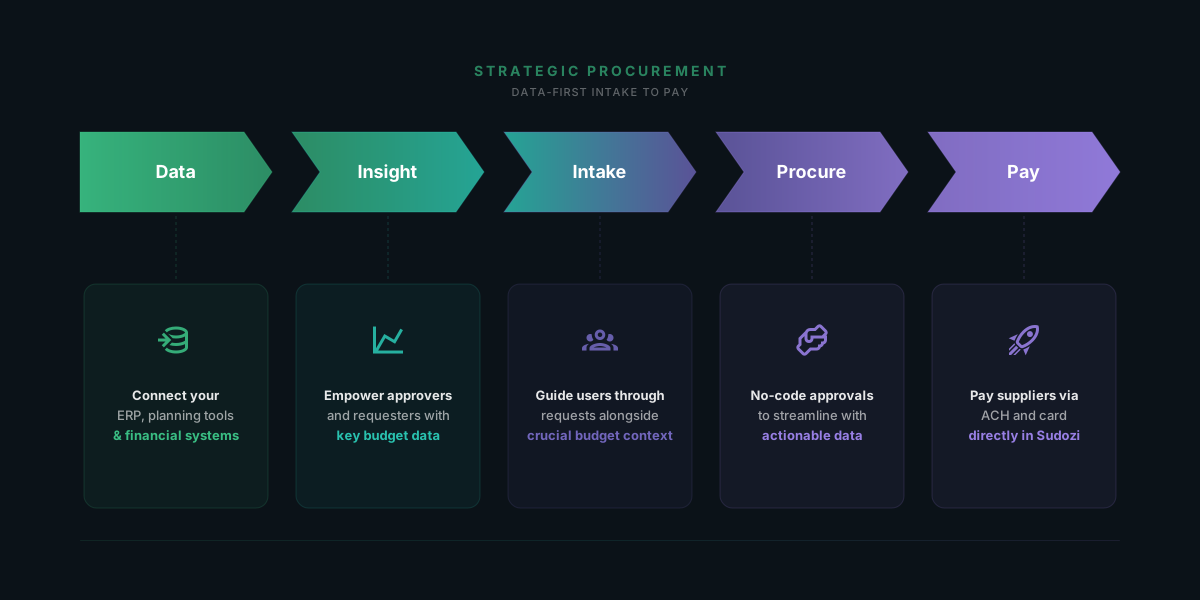
Sudozi provides the real-time visibility and automated insights that make this shift possible. No more WTF moments — just informed, strategic decisions.